

Are Fireworks Legal in Pakistan?
Only through licensed sellers, and often banned locally. See the Explosives Act licences, section 144 bans, factory cases and penalties in 2026.
Short answer: Restricted, often banned locally
Only within limits. The Explosives Act, 1884 treats fireworks as explosives, so making, storing and selling them needs a licence. District section 144 orders often ban sale and use around Shab-e-Barat and New Year, and unlicensed trade can mean 14 years.
- The law
Explosives Act, 1884 (as amended by Act XVII of 2025), ss. 4, 5, 5A, 5B, 6A, 8, 9
Explosive Substances Act, 1908, s. 5
Khyber Pakhtunkhwa Explosives Act, 2013, ss. 2, 4, 5, 7, 9, 25
Sindh Explosives Act, 2019 (Sindh Act XXVIII of 2023), ss. 2, 6, 9
- Penalty
- Making, storing or selling fireworks without a licence attracts the Explosive Substances Act, 1908 punishments, up to 14 years under section 5, tried by an Anti-terrorism Court under sections 5A(5) and 5B of the Explosives Act, 1884.
General information only, not legal advice. For help with your own matter, consult a qualified lawyer or legal consultant. Read the disclaimer
Fireworks are legal only through the licensed trade, and often banned locally
A week before Shab-e-Barat, the stalls in Rawalpindi's Nankari Bazaar fill with crackers and phuljharis, and that same week the district office announces a ban on all of them. Both things happen every year, so "are fireworks legal in Pakistan" has no one-word answer.
Fireworks are not banned outright. The law treats them as explosives. Making, storing and selling them needs a licence, and district authorities regularly ban their sale and use around festivals, New Year and the smog season. We found no reported case against someone simply lighting legally bought sparklers when no ban was in force. Making fireworks at home, or selling them without a licence, is a serious crime.
Celebratory gunfire is a different offence with its own law, covered in our guide on whether aerial firing is illegal. This page deals only with fireworks.
The law counts fireworks as explosives
Section 4 of the Explosives Act, 1884 defines "explosives" to include "fireworks", fuses, rockets and "coloured fires" made to produce a "pyrotechnic effect". A packet of crackers therefore falls under the same licensing law as industrial explosives.
The Explosives Act, 1884 is the main law. Section 5 lets the government make rules that "regulate or prohibit, except under and in accordance with the conditions of a license", the manufacture, possession, use, sale and transport of explosives. Those rules decide who issues licences, the fees, the forms, how long a licence lasts and how much stock a licensee may hold.
A second, older criminal law sits behind it. The Explosive Substances Act, 1908 punishes causing explosions and possessing explosives in suspicious circumstances. Since June 2025 the Explosives Act points directly to it for anyone dealing in explosives without a licence.
The 2025 amendment made unlicensed trade a far bigger offence
The Explosives (Amendment) Act, 2025 (Act XVII of 2025, assented on 5 June 2025) followed resolutions by all four provincial assemblies under Article 144 of the Constitution asking Parliament to regulate explosives. Its main changes:
- New section 5A(5): anyone who manufactures, stores, possesses, buys, sells, transports or uses explosives "without any licence" faces the punishments in the Explosive Substances Act, 1908.
- New section 5B: offences under both Acts are tried by an Anti-terrorism Court.
- Licensees now face graded penalties for "minor" and "major" violations, from administrative penalties up to seven years in prison.
- The "Chief Inspector of Explosives" is now the "Director General Explosives".
Your province may also have its own explosives law
Khyber Pakhtunkhwa and Sindh passed their own explosives Acts after the 18th Amendment, and Punjab adapted the 1884 Act for itself in 2014. The federal 2025 amendment came later. The rules are similar everywhere: fireworks count as explosives, and dealing in them needs a licence.
- Khyber Pakhtunkhwa: the Khyber Pakhtunkhwa Explosives Act, 2013 names "fireworks" in its definition, repealed the 1884 Act for KP (section 29), and makes every offence "cognizable and non-bailable" (section 25), meaning police can arrest without a warrant and bail is not a right.
- Sindh: the Sindh Explosives Act, 2019 (Sindh Act XXVIII of 2023) also lists "fireworks" and lets the Home Department license manufacture, sale and use.
- Punjab: the Punjab Explosives (Amendment) Act, 2014 made the 1884 Act a Punjab law, run by the provincial government and the Home Secretary.
- Islamabad and Balochistan: the federal 1884 Act applies. We found no separate Balochistan explosives Act.
How the 2025 federal amendment sits alongside the KP and Sindh Acts has not, as far as we could find, been settled by a court. If you face a case in either province, your lawyer will check which text the police and prosecutor rely on.
Making, storing and selling each need a licence
No one may make, store or sell fireworks in Pakistan without a licence. Licences come from the Director General Explosives or the officer the rules name, often a district officer. Home manufacture is never covered by an ordinary shop licence.
The detail sits in the Explosives Rules, 2010, made under section 5. We could not find an official copy of those rules online, so we do not list licence forms or fees here. What the Acts themselves say is enough to know the outline:
- Manufacture needs a licence for that specific site. A licence for one address does not cover a workshop somewhere else.
- Storage is licensed by quantity. The rules set how much a licensee may hold in a given period (section 5(2)(h)).
- Sale needs a licence, and sellers must refuse some buyers. Under section 6A of the 1884 Act, no one may sell explosives to a person under 18, to someone barred after a conviction, or to someone they believe is of unsound mind. Sindh sets the age at 21.
- Accidents must be reported. Under section 8, the occupier of any place where an explosion or fire kills or seriously injures someone must notify the Director General Explosives and the nearest police station.
Courts have also limited how far the government can go. In November 2010 the Lahore High Court directed district officers across Punjab to renew fireworks traders' licences within a month, after the Home Secretary admitted a blanket ban had been imposed without meeting legal requirements. The court said the government cannot ban a lawful business.
Section 144 orders ban fireworks around festivals and New Year
Most fireworks bans come from district orders under section 144 of the Code of Criminal Procedure, or from environmental notices during smog. They are short, local and dated. Breaking one is an offence under section 188 of the Penal Code, licence or not.
Section 144 of the Code of Criminal Procedure lets the district authority order the public to "abstain from a certain act" to prevent danger to human life, health or safety. Orders run for a short period unless the provincial government extends them by notification. Recent examples:
| Date | Place | Occasion | What was banned | Issued by |
|---|---|---|---|---|
| April 2019 | Islamabad | Shab-e-Barat | Use and business of fireworks, enforced under PPC s. 188 | Deputy Commissioner, Islamabad |
| 24 October 2024 to 31 January 2025 | Lahore | Smog season and New Year | Complete ban on fireworks | Environment Protection Agency, Punjab |
| 31 December 2024 to 1 January 2025 | Karachi | New Year's Eve | Use of firecrackers, aerial firing and display of arms, under s. 144 | Karachi Commissioner |
| 31 December 2025 to 1 January 2026 | Karachi | New Year's Eve | Fireworks, aerial firing, pillion riding, under s. 144 | Karachi Commissioner |
| 22 January 2026 | Rawalpindi | Shab-e-Barat | Fireworks, firecrackers and sparklers; police told to arrest sellers and buyers | District magistrate, Rawalpindi |
Weddings are a common flashpoint. Fireworks at a wedding are governed by the same rules: no ban, no problem in principle, but a section 144 order in force covers wedding guests too. Do not assume a wedding is exempt unless the order says so in writing.
The order that matters is the one for your district and your date. Check the deputy commissioner's or police social media pages, or the provincial Home Department, in the week before any event.
Illegal factories cause most of the deaths
Pakistan's worst fireworks accidents happen in unlicensed workshops inside homes and crowded buildings, not at licensed shops. Each one has been followed by an FIR, an official inquiry and a local crackdown, and the cases show how seriously the law treats unlicensed manufacture.
- Karachi, August 2025: a blast in a basement store near Saddar killed at least two people and injured 33. Rescue officials said firecracker raw material was stored there, and the Counter-Terrorism Department called the site illegal. The Sindh Home Minister ordered checks on its licence.
- Hyderabad, 15 November 2025: an explosion at an unlicensed fireworks unit in a house in Latifabad killed 10 people. Police registered an FIR under Penal Code sections including 322 and 286, read with the Anti-terrorism Act, 1997, against the owner and four others; police said the owner held a licence for a different site. The district then formed committees to seal unauthorised units on the spot.
- Okara and Faisalabad, September 2026: explosions at two home fireworks units killed two sisters and a 12-year-old boy. Dawn described the Faisalabad unit as unlawfully established.
Under section 9 of the 1884 Act, a death in an explosives accident triggers a magistrate's inquiry into the cause. The Hyderabad case also shows the anti-terrorism route that the 2025 amendment now writes into the Act itself.
Penalties are far heavier for selling than for using
Unlicensed manufacture or sale can now lead to a trial in an Anti-terrorism Court and up to 14 years in prison. Using fireworks during a ban usually means a section 188 charge with a short sentence or small fine.
| What you do | Law | Maximum penalty (as of 16 November 2026) |
|---|---|---|
| Make, store or sell fireworks with no licence | Explosives Act 1884, s. 5A(5), with Explosive Substances Act 1908, s. 5 | Up to 14 years, unless you show a lawful purpose; tried by an Anti-terrorism Court (s. 5B) |
| Licensee commits a "major violation" without malice | Explosives Act 1884, s. 5A(3) | 3 years, or a fine up to Rs 10 million, or both |
| Licensee commits a "major violation" with malicious intent | Explosives Act 1884, s. 5A(4) | 7 years, or a fine up to Rs 20 million, or both |
| Licensee commits a minor record or storage breach | Explosives Act 1884, s. 5A(1) and (2) | Administrative penalty up to Rs 0.5 million, or Rs 1 million if malicious |
| Sell to anyone under 18 or otherwise barred | Explosives Act 1884, s. 6A | Fine up to Rs 2 million |
| Fail to report a fatal accident | Explosives Act 1884, s. 8 | Fine up to Rs 0.5 million, or up to 3 months in prison if a life is lost |
| Use or sell fireworks against a s. 144 order | Pakistan Penal Code, s. 188 | 1 month or Rs 600; 6 months or Rs 3,000 if it endangers life, health or safety |
| Handle fireworks rashly so that people are endangered | Pakistan Penal Code, s. 286 | 6 months, or a fine up to Rs 3,000, or both |
Provincial figures differ
Khyber Pakhtunkhwa's Act caps rule-breach fines at Rs 1.5 million for manufacture, Rs 1.2 million for possession, transport or use and Rs 1 million for sale (section 5), and fines sales to under-18s up to Rs 300,000 (section 7). Section 9 adds that unlicensed possession of an explosive is presumed to be for terrorism unless you prove otherwise. Sindh's Act allows rule-breach fines up to Rs 10 million for manufacture and Rs 5 million for possession, sale or use (section 6), and fines sales to anyone under 21 up to Rs 1 million (section 9).
The penalties for "using" are less settled than those for selling. Section 5A(5) of the federal Act lists "use" of explosives without a licence, but section 5(2)(f) lets the rules exempt some explosives from licensing, and we could not confirm whether small consumer fireworks are exempt. In practice, reported cases against buyers rest on section 144 orders and section 188.
Buying from a licensed seller is the lawful route
The safe position is simple. Buy from a licensed shop, light fireworks only when no ban is in force, keep them from children, and leave public displays to licensed operators. Anything made in a house or sold from a car boot is outside the law.
- Check for a ban first. Look for a section 144 order or environmental notice for your district and date, especially around Shab-e-Barat, 14 August, New Year and the October to January smog season.
- Buy from a licensed seller. A licensed trader can show the licence. Avoid stock sold online for home delivery or from unlicensed stalls during a ban; in Rawalpindi in January 2026 police said buyers as well as sellers would be arrested.
- Do not buy for, or hand fireworks to, children. Sellers may not sell to anyone under 18 (21 in Sindh), and an adult who passes fireworks on still answers for any injury under the Penal Code.
- Use them away from people, roads and buildings. Section 286 of the Penal Code covers rash or negligent handling that endangers others, even with no ban in force.
- For a wedding or event display, hire a licensed operator. Ask the district administration and local police in writing whether permission is needed for your date and venue. We could not find a published permit procedure, so keep their written reply.
- Report illegal manufacturing. A workshop in a residential building is a crime and a fire risk to every neighbour. Tell the local police station or call 15.
Our everyday law guides for Pakistan cover related questions, including noise from celebrations and kite flying during Basant.
Frequently asked questions
Are fireworks banned in Pakistan?
+
Not nationwide. Fireworks are a licensed trade under the Explosives Act, 1884, but districts often ban their sale and use for set dates under section 144 of the Code of Criminal Procedure, for example around Shab-e-Barat, New Year and the Lahore smog season.
Can I be arrested for lighting fireworks on Shab-e-Barat?
+
Yes, if a section 144 order is in force in your district. Breaking it is an offence under section 188 of the Pakistan Penal Code, punishable by up to six months or a Rs 3,000 fine where it endangers safety. In January 2026 Rawalpindi police said buyers would be arrested.
Do I need a licence to sell fireworks in Pakistan?
+
Yes. Selling, storing and making fireworks all need a licence under rules made under section 5 of the Explosives Act, 1884, or the KP and Sindh Explosives Acts. Since June 2025, unlicensed dealing attracts Explosive Substances Act punishments and an Anti-terrorism Court trial.
Can children buy fireworks in Pakistan?
+
No. Section 6A of the Explosives Act, 1884 bars selling explosives, which include fireworks, to anyone under 18, with a fine of up to Rs 2 million. Sindh's Explosives Act sets the age at 21 and Khyber Pakhtunkhwa at 18.
Is it legal to make fireworks at home?
+
No. Manufacturing fireworks without a site licence is a serious crime. A licence for one address does not cover another, and the fatal Hyderabad blast of November 2025 led to an FIR read with the Anti-terrorism Act, 1997.
Are fireworks allowed at weddings in Pakistan?
+
Only when no ban is in force for that district and date. A section 144 order covers wedding guests too unless it says otherwise. For a display, hire a licensed operator and ask the district administration and police in writing beforehand.
Is aerial firing the same offence as fireworks?
+
No. Celebratory gunfire falls under the arms laws and the Penal Code, not the Explosives Act. District orders often ban both together, but the penalties differ, and our separate guide on aerial firing explains them.
Who issues fireworks licences in Pakistan?
+
The Director General Explosives or the officer named in the Explosives Rules, 2010, and in Khyber Pakhtunkhwa and Sindh the authorities under their own Acts. District officers have renewed traders' licences in Punjab. Ask your deputy commissioner's office which office handles your area.
Sources
We compiled this guide from official sources: the law itself, government notifications and court records, checked against reporting of recent changes. It is for information only.
- Explosives Act, 1884 (Act IV of 1884, consolidated with Act XVII of 2025) · Ministry of Law and Justice (Pakistan Code)
- Explosives (Amendment) Act, 2025 (Act No. XVII of 2025), Gazette of Pakistan, 11 June 2025 · National Assembly of Pakistan
- Explosive Substances Act, 1908 (Act VI of 1908) · UNODC SHERLOC (Pakistan text)
- Khyber Pakhtunkhwa Explosives Act, 2013 (Act No. XXIV of 2013) · Provincial Assembly of Khyber Pakhtunkhwa
- Sindh Explosives Act, 2019 (Sindh Act No. XXVIII of 2023) · Sindh Code, Government of Sindh
- Punjab Explosives (Amendment) Act, 2014 (Act XXVII of 2014) · Provincial Assembly of the Punjab
- Code of Criminal Procedure, 1898 · Ministry of Law and Justice (Pakistan Code)
- Pakistan Penal Code, 1860 · Ministry of Law and Justice (Pakistan Code)
- Renew licences of fireworks traders within a month, LHC directs district officers (2 November 2010) · The Express Tribune
- Rawalpindi bans fireworks, aerial firing ahead of Shab-e-Barat (22 January 2026) · ProPakistani
- Karachi bans pillion riding, limits fireworks on New Year's Eve (31 December 2025) · The Express Tribune
- Section 144 imposed in Karachi for New Year's Eve: notification (29 December 2024) · Dawn
- Smog: specific school timings from 28th, fireworks banned (24 October 2024) · Dawn
- Fireworks banned on Shab-e-Barat (11 April 2019) · The Express Tribune
- Hyderabad fireworks explosion death toll climbs to 9; FIR registered against factory owner and others (16 November 2025) · Dawn
- Another victim in Hyderabad fireworks explosion succumbs to wounds, taking death toll to 10 · Dawn
- Hyderabad cracks down on illegal firecracker factories (16 November 2025) · Daily Times
- At least 2 dead, 33 injured following explosion, blaze at warehouse in Karachi (21 August 2025) · Dawn
- Three killed in explosions at two firework factories (13 September 2026) · Dawn
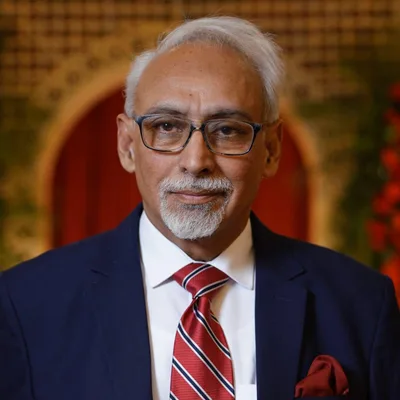
Advocate, Supreme Court of Pakistan
Advocate of the Supreme Court of Pakistan and the Lahore High Court, former Assistant Advocate General Punjab and Assistant Attorney General for Pakistan, and adjunct professor of law in Lahore.
Full profile and credentials →
Is It Legal to Play Loud Music in Pakistan?
Playing music is legal, but not through speakers loud enough to annoy or disturb others. Punjab's Sound Systems (Regulation) Act 2015 punishes this with up to six months in jail and a Rs 25,000 to Rs 100,000 fine. Other provinces have similar laws.
Is Kite Flying Legal in Pakistan?
Only on notified days. Punjab's Regulation of Kite Flying Act 2025 bans flying, making and selling kites unless a deputy commissioner's notification allows it, as Lahore has for 12 to 14 March 2027. Metal, nylon and sharp maanjha string are never allowed.
Is It Legal Not to Carry Your CNIC in Pakistan?
Yes. The NADRA Ordinance, 2000 requires you to register and apply for a CNIC within 90 days of turning 18, but no law we found makes carrying it at all times compulsory. Flights, SIMs, banks and hotels still need it.
Is It Legal to Record the Police in Pakistan?
Yes, in a public place. No Pakistani law bans filming police on duty. You can still be charged for obstruction under section 186 of the Penal Code, for filming prohibited places, or under PECA for posting a false or harmful clip.